
Composing Beyond the Concert Hall
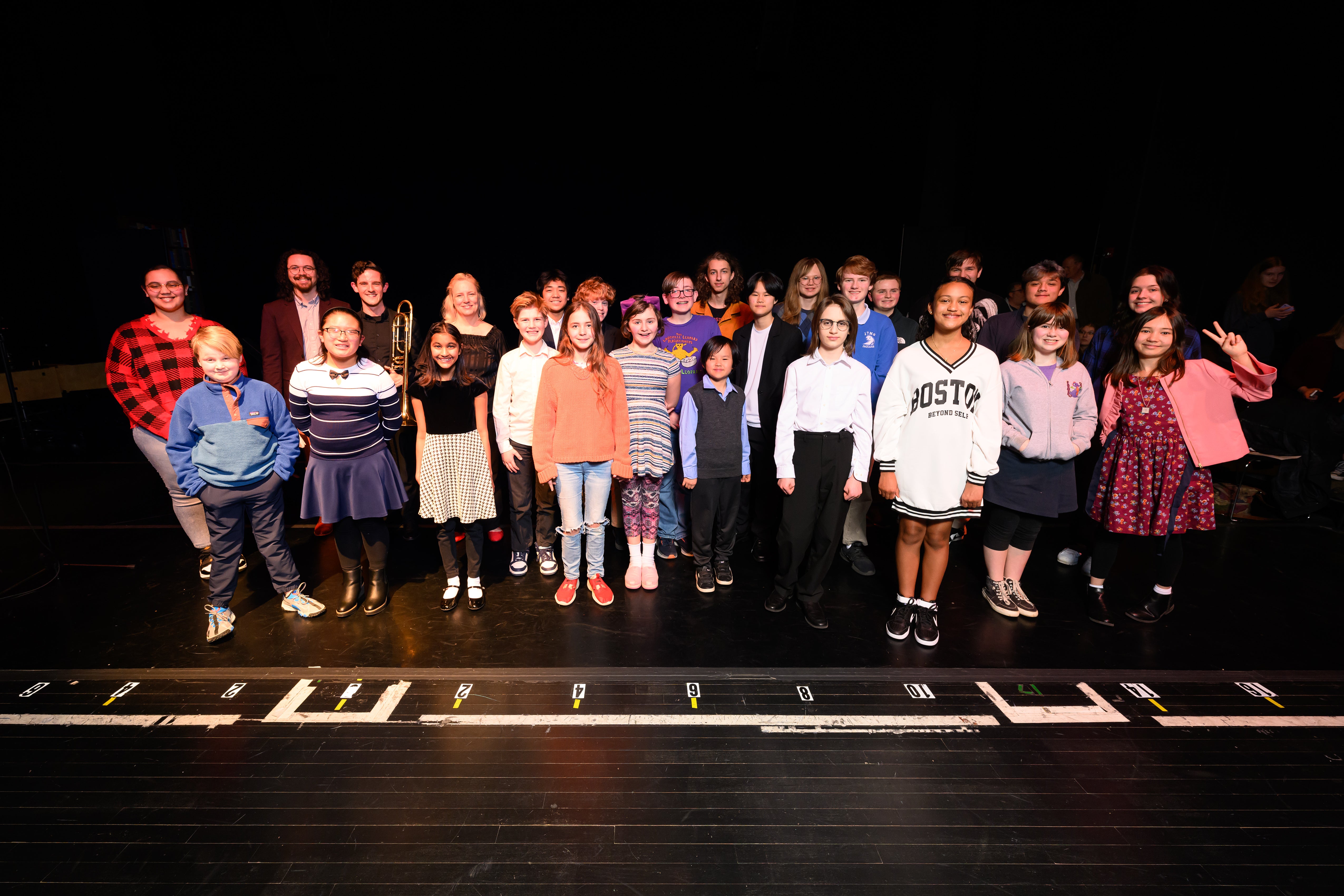
Happy New Year! We at the LO enjoyed a restful break, but now we’re back at it with full force. Anthony and Chelsea have just completed new March pieces, which they’ll discuss in their respective blog posts, and are finishing large-scale works for April. Next, they’ll start their community projects for May: Anthony will co-create a new work with 7th- and 8th-grade choirs at Western Middle School using students’ original lyrics and music. Chelsea is collaborating with Louisville Makes Games and LO harpist Grace Roepke to create an augmented reality experience.
Requiring our creators to execute at least one community project beyond orchestral compositions is a crucial way that the LO Creators Corps distinguishes itself from other composer-in-residence programs. Our application cites examples such as site-specific installations, collaborative intermedia projects, workshops, and co-teaching with Louisville-area schools; our composers have pursued all of these and more. Projects may involve a chamber ensemble, the full orchestra, or, potentially, no LO musicians. The primary requirement is to collaborate with a local or state organization.
On its face, it doesn’t seem far-fetched. Orchestras’ value propositions are increasingly tied to the impactful work they do in communities beyond the concert hall. Composers are also engaging in this work on their own, especially as traditional revenue sources, such as university positions, become less tenable. But some still consider these activities ancillary: for orchestras, “outreach” is often seen as a way to funnel audiences to mainstage concerts; for composers, such projects are sometimes viewed as side gigs that support more conventional or prestigious concert pieces. One doesn’t win Pulitzers or Grawemeyers (yet) for community-based work.
To me, requiring composers to undertake a community project is one of the more quietly radical aspects of our program, signaling that this work is central to their residency. By encouraging our creators to approach both orchestral compositions and community collaborations as equal parts of their practice, we propose an expanded definition of a composer: not only someone who creates original music, but also a catalyst for music-making in their communities. The skills that many composers learn in their schooling — organizing concerts, forming ensembles, public speaking, teaching — make them uniquely suited to this kind of work.
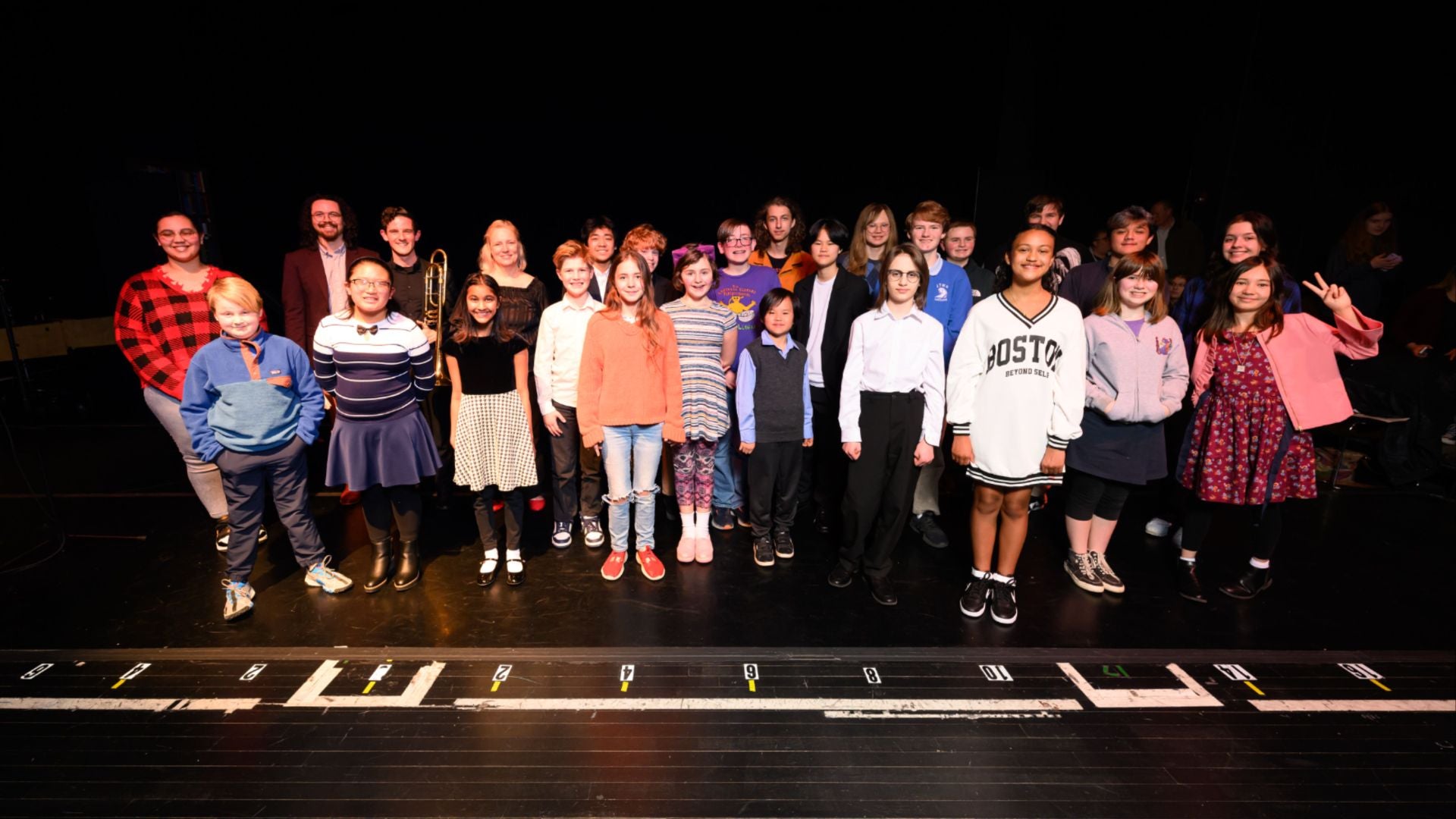
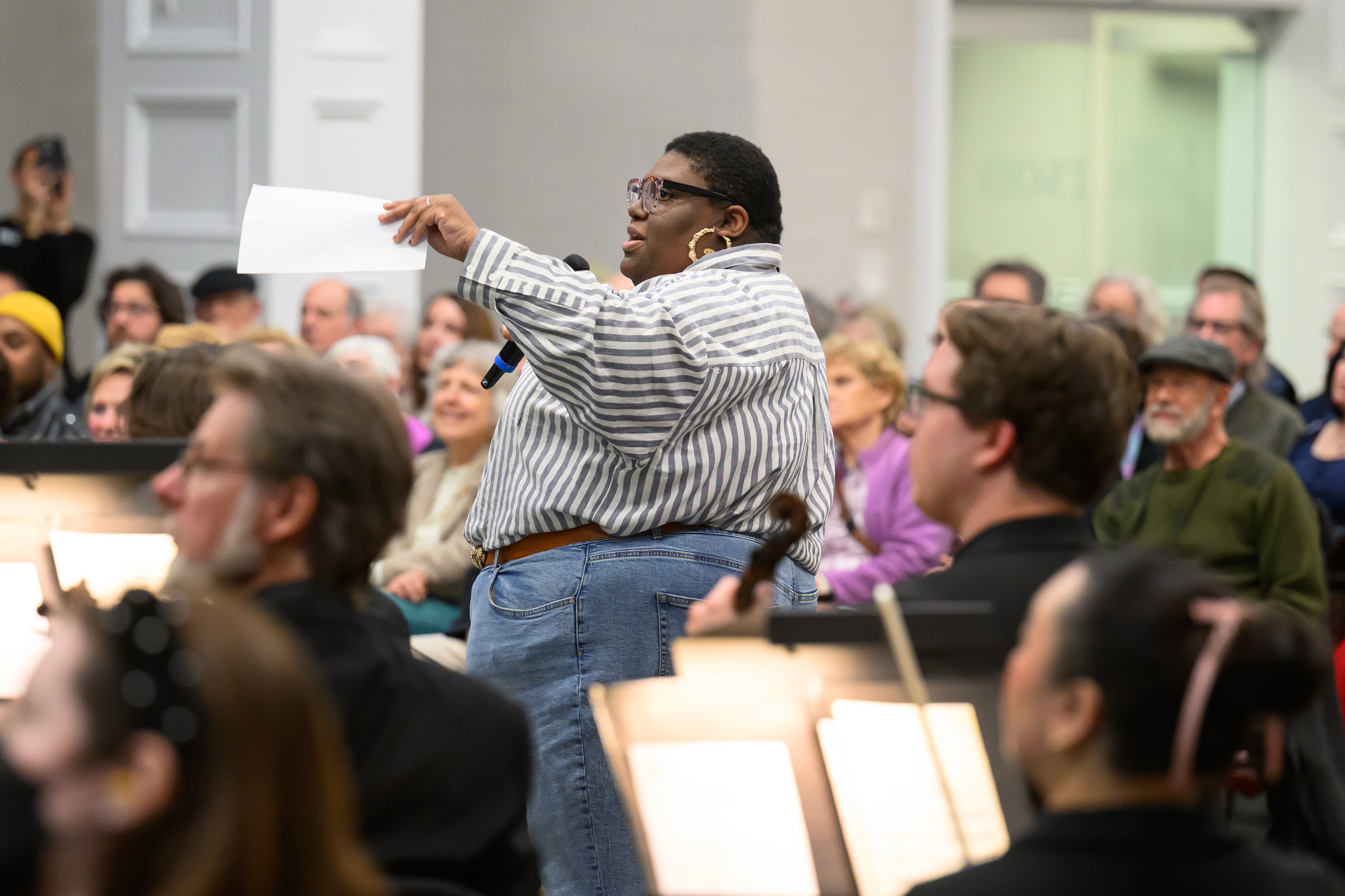
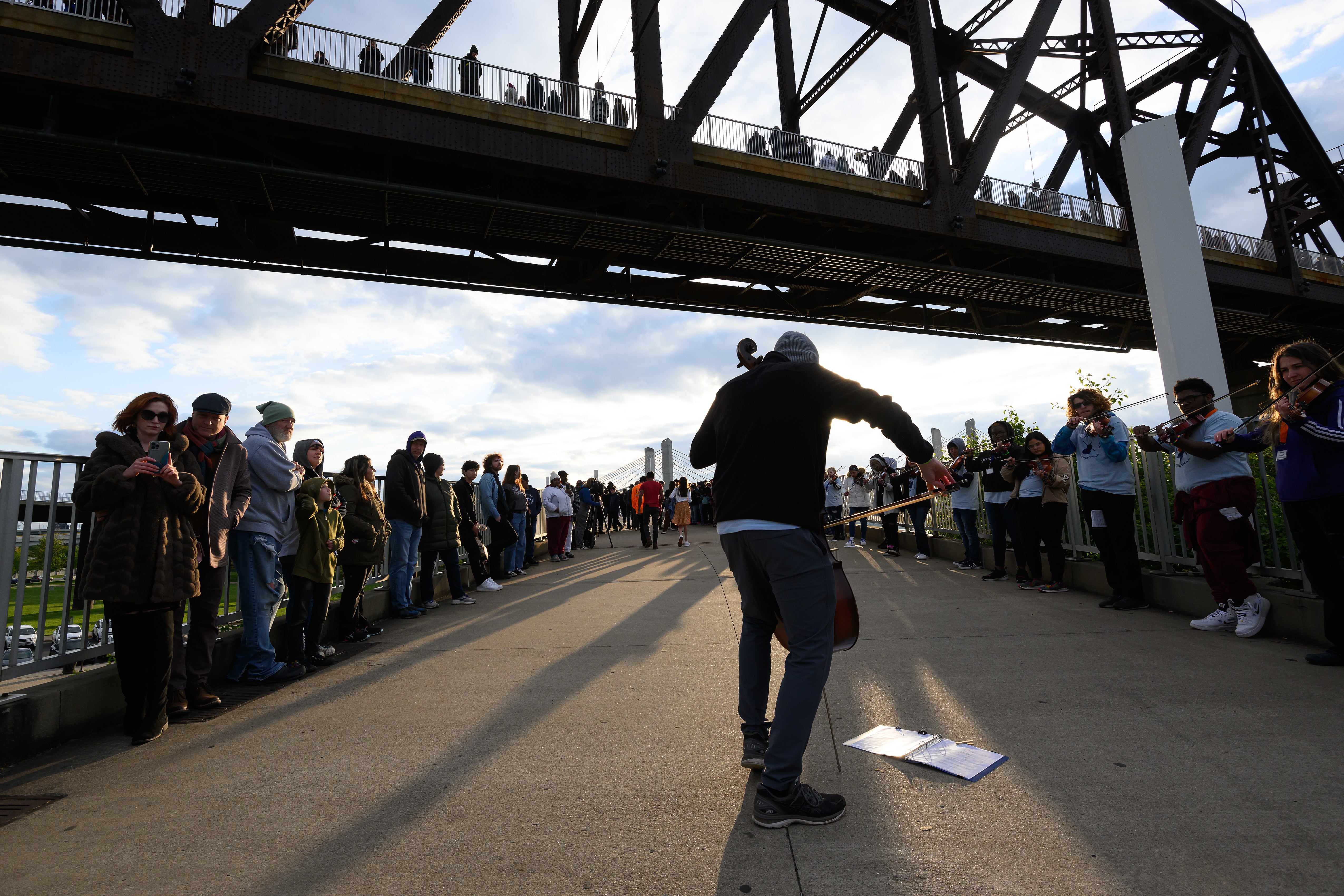
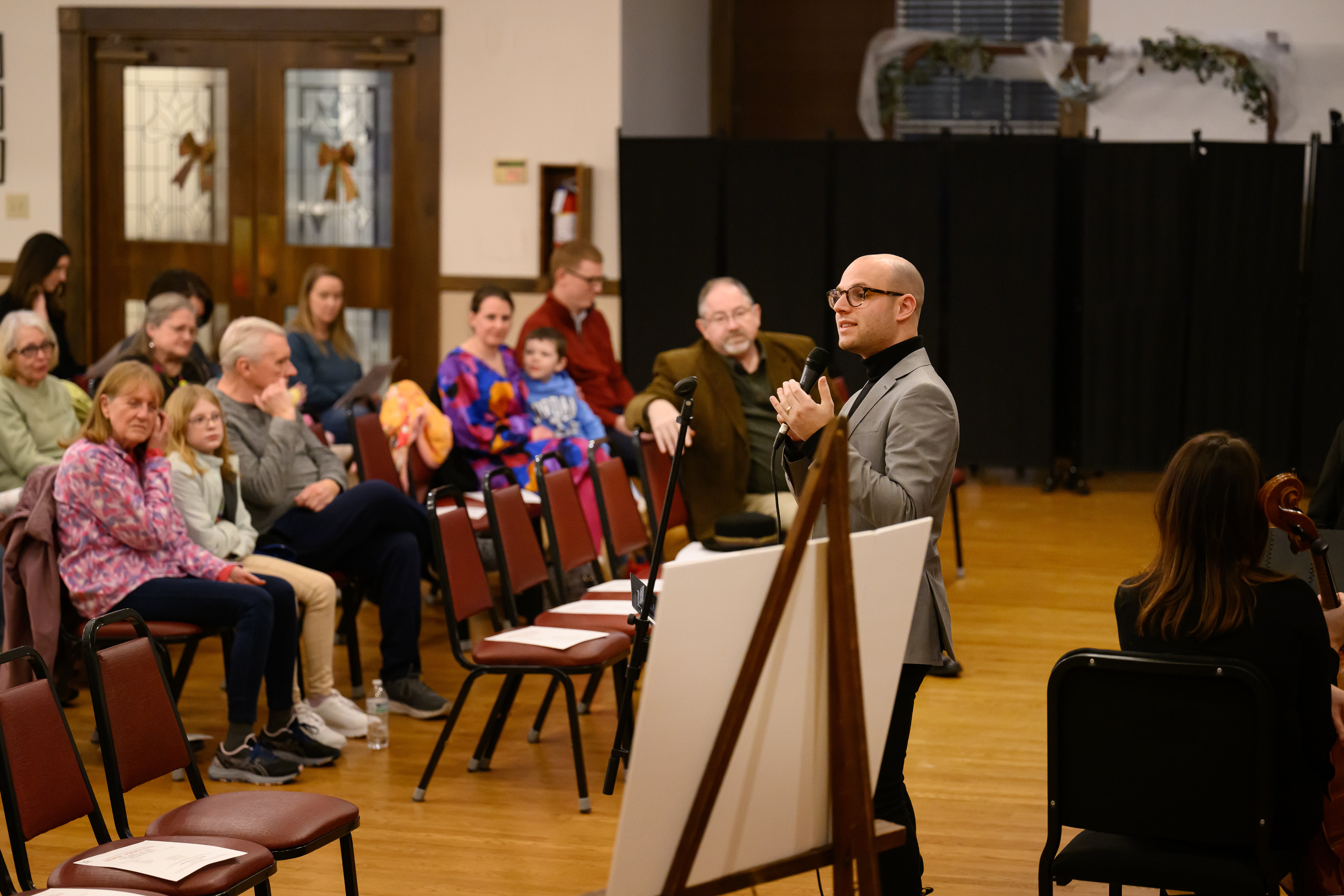
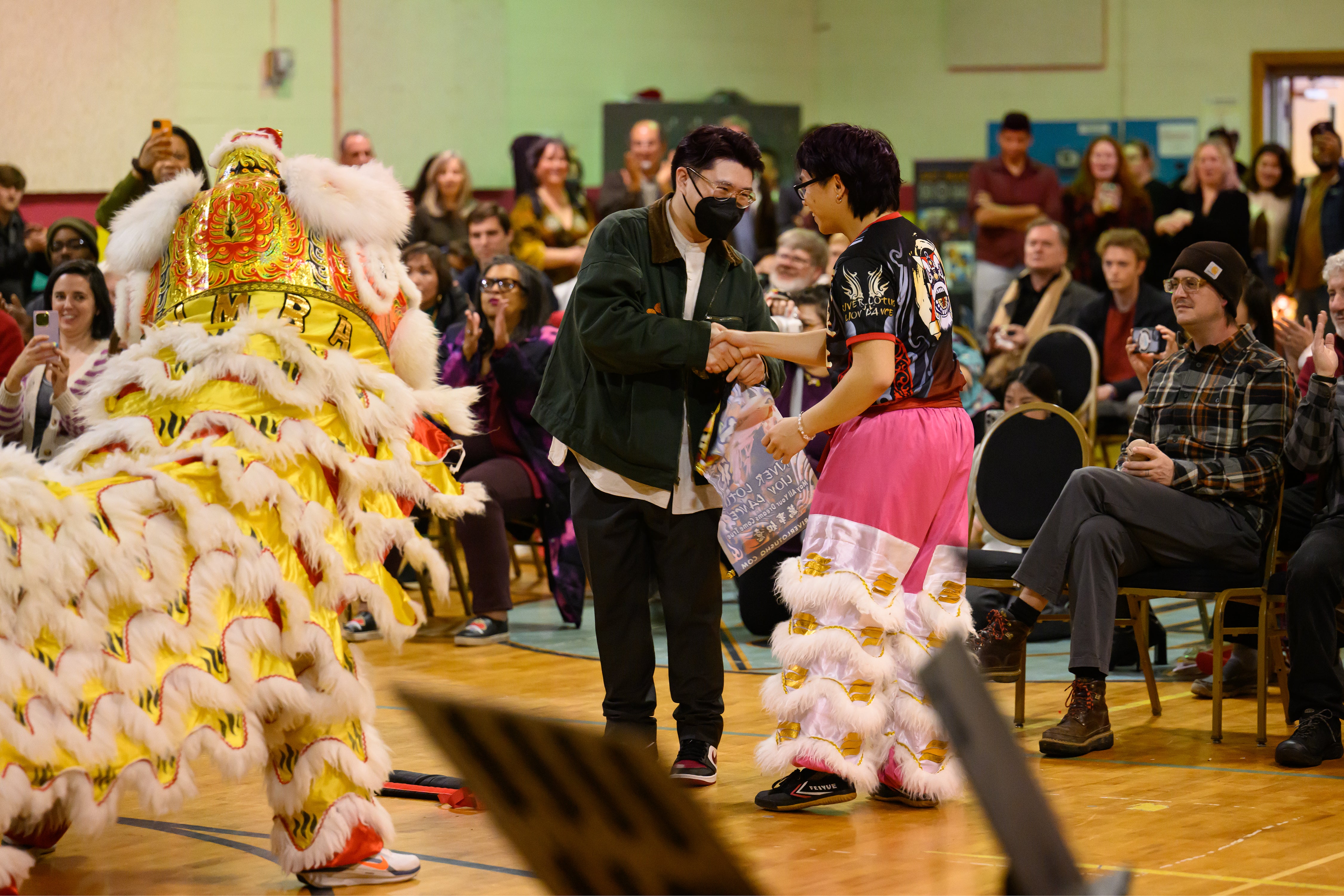
It also allows composers to assume diverse roles and perspectives in relation to their work. In traditional composition, everything stems from the individual artist’s subjectivity—their thoughts, ideas, feelings—even as these reflect their community roles. But with community projects, composers often act as facilitators rather than authors, creating opportunities for others to engage with music. This was true for Tyler Taylor’s Young Composers Program, Tanner Porter’s string orchestra collaborations, Baldwin Giang’s LGBTQ+ songwriting workshops, and Anthony R. Green’s forthcoming workshops with Western Middle School’s choirs. Sometimes, when a composer does write a new piece, their authorship is eclipsed by the collaboration’s depth and scale, as with Lisa Bielawa’s massive Louisville Broadcast. Sometimes, a composer produces a conventional work aimed at illuminating voices and stories beyond their own, as in TJ Cole’s Those Moments, Alex Berko’s Growing Perspectives, and Brittany Green’s The Lands of Hypnagogia. And sometimes, as in Oswald Huỳnh’s Lunar New Year event, the composer becomes a curator rather than artist or educator: assembling different elements that showcase their perspective while purposely omitting their own musical voice.
As I’ve mentioned, we at the LO like to think of Creators Corps as the most direct descendant of and connector to our storied First Edition era. During that period, we built a colossal repertoire of new work, commissioning many hundreds of pieces from living composers between 1955 and 1991. In our Creators Corps era, we’re still amassing new orchestral works at a formidable rate (roughly 5-6 per year). But our creators are also helping to build a new kind of repertoire, comprising not only concrete “works” but also ideas and strategies for building meaningful partnerships with music, and the different ways a composer can imagine their creative practice.
- Jacob Gotlib, Senior Creators Corps Program Manager