
October & Once Upon An Orchestra
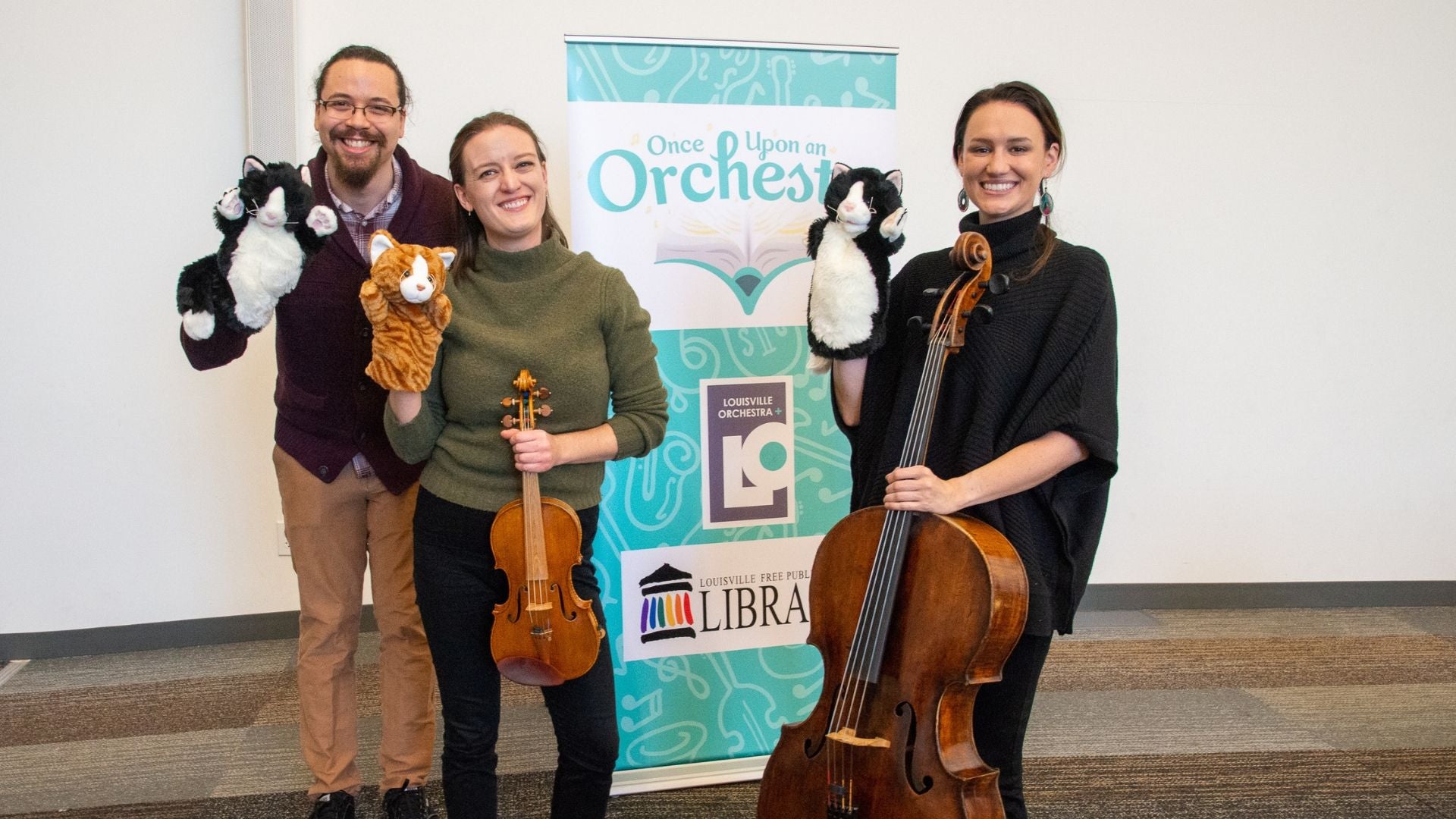
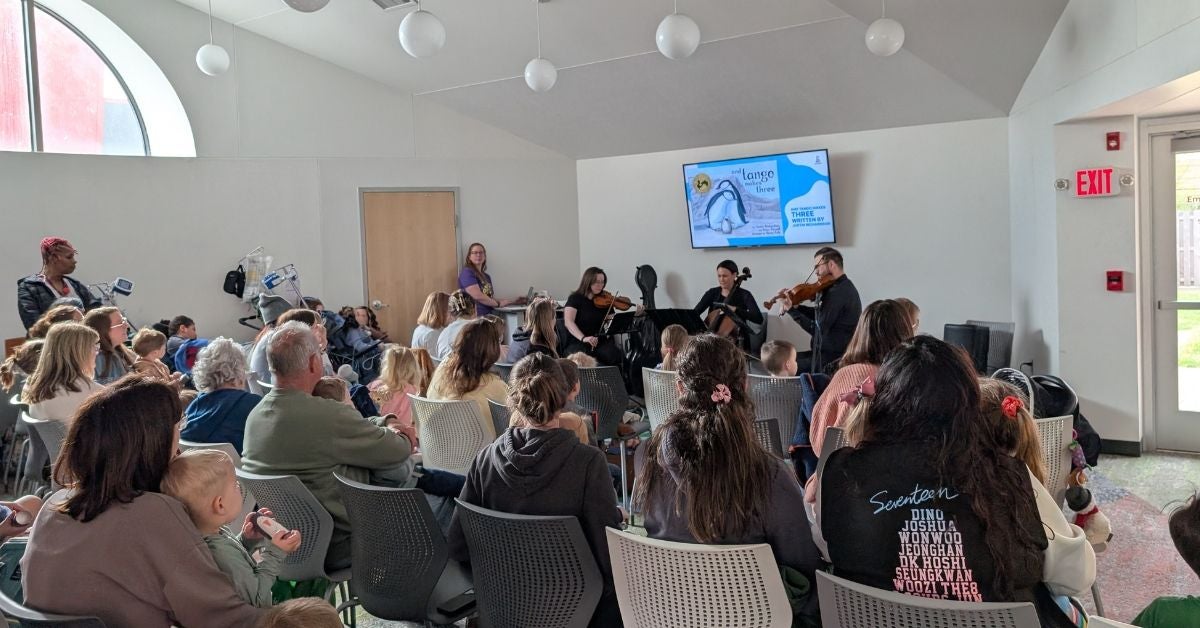
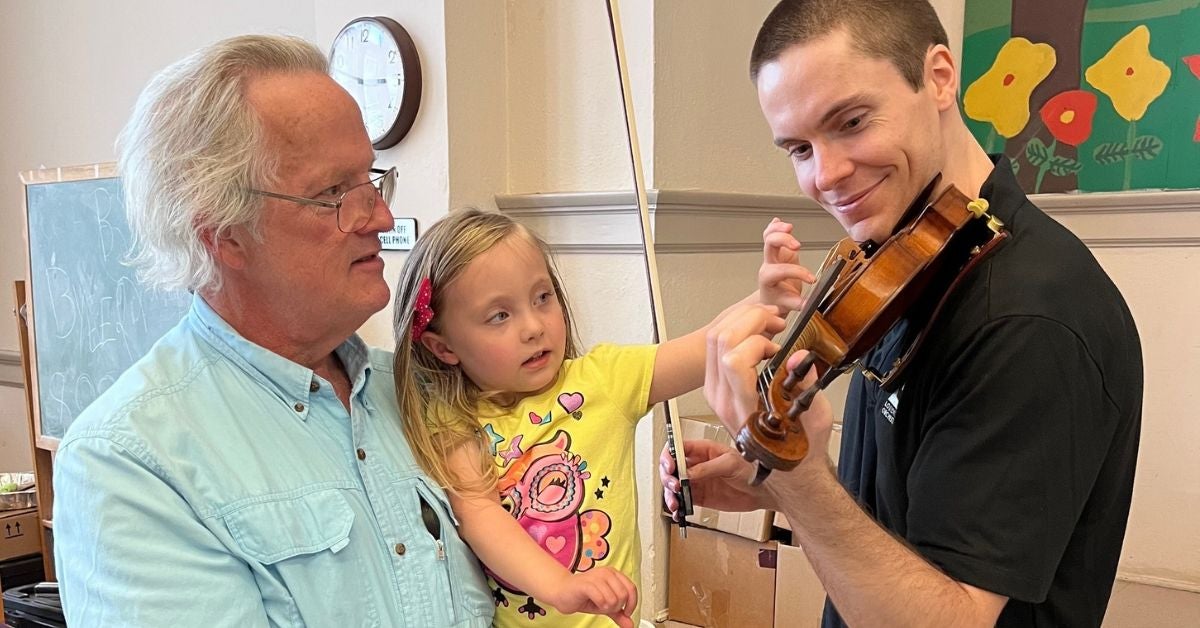
Now that our 2026-27 season is officially in full swing, the Community Engagement department has been buckling down this month to finalize this year’s Once Upon an Orchestra schedule. Once Upon an Orchestra - or, as we abbreviate it, OUAO, a lovely mush of vowels - is the kind of program that many orchestras have a version of: a program for families that combines music and storytelling of beloved children’s books, performed by a chamber ensemble, often in partnerships with libraries or schools. To me, what distinguishes OUAO isn our special partnership with Louisville Free Public Library, which allows us to perform in every single library branch of the system and the way we involve LOCC composers in creating and arranging the music.
These projects pose a unique prompt to the composers. They must create a musical experience that includes narration of the book - in full - by 1-2 members of the ensemble, and balance that narration against sound. They must compose music that advances the story and creates motifs young listeners can associate with specific characters, settings, or ideas as they recur. They must also include opportunities for interaction between the ensemble and the audience.
What they don’t have to do, however, is have entirely original music! They’re free to interweave quotations and excerpts of other (preferably public domain) music, either exclusively or in combination with original compositions. It’s entirely up to the composer what proportion of the work is original vs. pre-existing music.
It’s been fascinating to see how different composers have responded to this prompt over the years, especially that last point. Some projects, like TJ Cole’s Very Hungry Caterpillar or Baldwin Giang’s And Tango Makes Three, are 85-95% quotations of pre-existing music, arranged for the particular ensemble assigned to that book. In these cases, the composers act as curators and translators, selecting specific works that reflect the situations and actions in the book. Those choices offer a wonderful window into the composers’ personalities: in Caterpillar, for example, TJ Cole set Grieg’s famous “Morning Mood” alongside Billie Eilish’s “Bellyache.” For Fly, Brittany Green paired excerpts of string music by Jessie Montgomery alongside Beyonce’s “Brown Skin Girl.”
At the other end of the spectrum, Alex Berko and Tanner Porter wrote almost all original music for If You Give a Mouse a Cookie and Bear Snores On, respectively. Alex’s score captures the playful side of his musical personality, while maintaining his trademark energy and natural melodic sense. Tanner took the opportunity to use less conventional sounds in Bear Snores On than I’d heard in her other works, using techniques such as scratch tones, harmonics, and over-pressure to imitate the titular Bear’s snores and the noises of the other animals.
This season, we’re keeping Baldwin’s And Tango Makes Three, Brittany’s Fly, and Tanner’s Bear Snores On, while introducing two new titles: Anthony R. Green’s The Knowing for wind quintet and Chelsea Komschlies’s Frog and Toad Together for brass trio. Both works, which feature entirely original music by Anthony and Chelsea, are terrific additions to this repertoire, and I encourage you to visit a nearby library to experience them! Check out the schedule here.